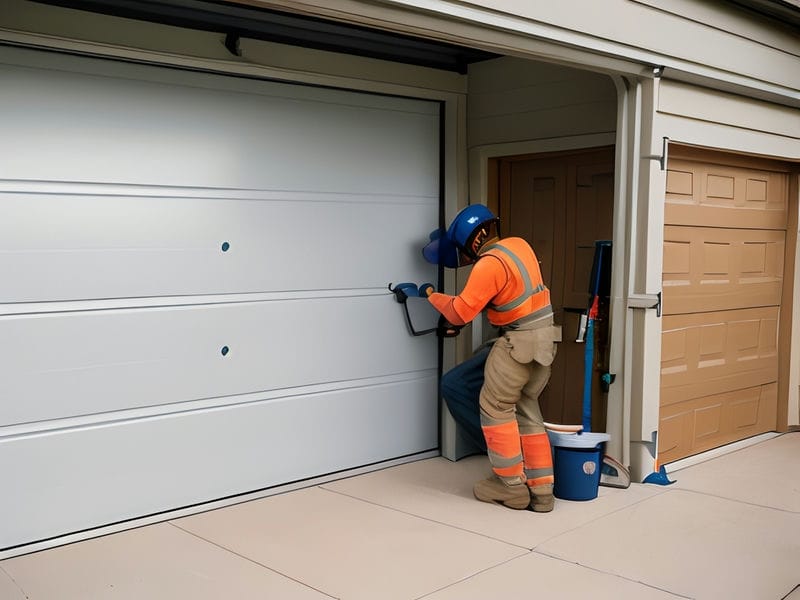
Professional HVAC Installations: Enhancing Garage Safety and Usability
Posted by on 2024-06-22
Importance of Proper Ventilation and Air Quality
The Importance of Proper Ventilation and Air Quality in Professional HVAC Installations: Enhancing Garage Safety and Usability
When considering the safety and usability of a garage, one might typically think about secure doors, sturdy shelving, or efficient lighting. However, an often-overlooked aspect is the role that proper ventilation and air quality play in creating a safe and functional space. Professional HVAC installations are not just for maintaining comfort within the home; they are crucial for ensuring that garages remain healthy environments as well.
Garages serve a multitude of purposes beyond merely housing vehicles. They can be workshops, storage areas, or even social hubs where DIY projects come to life. Regardless of their use, all these activities generate pollutants—whether it’s fumes from car engines, chemicals from paints and solvents, or dust from woodworking. Without adequate ventilation systems in place, these harmful substances can accumulate over time, posing serious health risks.
Breathing in toxic fumes like carbon monoxide is particularly dangerous. This colorless and odorless gas can lead to symptoms ranging from headaches and dizziness to potentially fatal poisoning if levels become too high. A professionally installed HVAC system ensures constant airflow that helps disperse these hazardous gases outside the garage rather than allowing them to build up inside.
Moreover, proper ventilation helps control humidity levels within the garage. Excessive moisture can lead to mold growth on walls and other surfaces—a problem that not only damages property but also exacerbates respiratory issues such as asthma or allergies among occupants. An effective HVAC setup will regulate humidity by providing appropriate dehumidification when necessary.
Another critical aspect is temperature regulation. Garages are often subject to extreme temperatures due to their exposure to outdoor elements combined with inadequate insulation. During winter months, excessively cold garages can damage stored items sensitive to low temperatures—including vehicle components like batteries—and create uncomfortable working conditions for any tasks carried out there. Conversely, sweltering summer heat can make it unbearable to spend any length of time in the garage without risking heat-related illnesses.
A professional HVAC installation addresses these challenges by providing consistent climate control year-round. This creates an environment conducive not only for vehicle maintenance but also various hobbies or projects you may wish to undertake within this versatile space.
In addition to enhancing safety through improved air quality and temperature management,
a well-ventilated garage contributes significantly toward energy efficiency overall.
By preventing excessive heating/cooling loads on connected living spaces inside your home,
you’ll find reduced utility bills over time – making this investment even more worthwhile!
Ultimately then,
properly ventilated & climate-controlled garages deliver unparalleled benefits:
from safeguarding health & extending longevity equipment
to optimizing usable functionality diverse range activities
therein…
So next time consider upgrading facilities remember importance investing professional expertise ensure optimal solutions tailored needs!
Key Benefits of Installing HVAC Systems in Garages
Installing HVAC systems in garages is an often overlooked aspect of home improvement, yet it offers a myriad of key benefits that significantly enhance both safety and usability. As part of professional HVAC installations, extending climate control to the garage can transform this traditionally utilitarian space into a more functional and secure area.
First and foremost, one of the primary advantages is enhanced safety. Garages are frequently used for storing hazardous materials such as paints, solvents, and gasoline. Fluctuating temperatures can cause these substances to become volatile or degrade over time, posing serious risks. An HVAC system helps maintain a stable temperature and humidity level, reducing the likelihood of accidents related to chemical reactions or vapor build-up. Moreover, proper ventilation provided by an HVAC system ensures that harmful fumes from vehicles or stored chemicals do not accumulate to dangerous levels.
In addition to ensuring safety, installing an HVAC system in your garage greatly improves its usability. For many homeowners, the garage is not just a place for parking cars but also serves as a workshop, gym, or even a recreational space. Without adequate climate control, extreme temperatures during summer and winter can render these activities uncomfortable or impractical. By maintaining a consistent indoor environment year-round, an HVAC system allows you to make full use of your garage regardless of external weather conditions.
Another significant benefit is protecting your belongings from damage caused by temperature fluctuations and humidity. Items commonly stored in garages—such as tools, electronics, and sporting equipment—can suffer from rusting, warping, or other forms of deterioration when subjected to harsh environmental conditions. An HVAC system helps safeguard these investments by creating an optimal storage environment.
From an energy efficiency standpoint, modern HVAC systems are designed with advanced technology that provides effective climate control without excessive energy consumption. This means that while you enjoy the added comfort and functionality in your garage space, you won’t see a dramatic spike in your utility bills.
Lastly but importantly is the potential increase in property value that comes with professional HVAC installation in the garage. Homebuyers often view additional functional spaces as valuable assets; having a climate-controlled garage can be a unique selling point that sets your property apart in the real estate market.
In conclusion, installing an HVAC system in your garage through professional services offers numerous key benefits ranging from enhanced safety and increased usability to protection of valuables and improved energy efficiency—all contributing positively towards overall property value. Investing in such improvements reflects foresight into creating safer living environments while maximizing every square foot of usable space within one's home.
Safety Considerations for HVAC Installations in Garage Spaces
When embarking on the journey of installing HVAC systems in garage spaces, safety considerations must be at the forefront of every decision. As garages increasingly transform from simple storage areas into multifunctional spaces—serving as workshops, home gyms, or even additional living quarters—the need for a reliable and safe HVAC system becomes paramount. This essay delves into key safety considerations that professionals must adhere to during these installations to ensure both functionality and peace of mind.
Firstly, one cannot overstate the importance of proper ventilation. Garages are often enclosed spaces with limited natural airflow, making them susceptible to the buildup of harmful gases like carbon monoxide (CO). When installing an HVAC system in a garage, it’s crucial to ensure that all combustion appliances are vented correctly and that CO detectors are installed and functioning properly. A professionally installed ventilation system will mitigate risks associated with poor air quality by ensuring adequate circulation and exhaust pathways for potentially dangerous fumes.
Secondly, electrical safety is another critical factor. Garages typically house various power tools and equipment which can overload circuits if not properly managed. An HVAC installation adds another layer of electrical demand; therefore, it's essential to evaluate the existing electrical infrastructure thoroughly. Qualified electricians should assess circuit capacity and install dedicated lines if necessary to handle the additional load without risking short circuits or fires.
Moreover, spatial planning plays a significant role in maintaining safety within garage installations. Unlike conventional indoor environments where space constraints are usually considered during design phases, garages often have irregular layouts cluttered with storage items or vehicles. It's vital to strategically place HVAC units to avoid obstructing pathways or creating tripping hazards while still delivering effective heating or cooling performance throughout the space.
Another aspect often overlooked but equally important is insulation. Properly insulating a garage not only enhances energy efficiency but also contributes significantly towards fire prevention. Materials used should meet local building codes and regulations regarding fire resistance ratings. Insulation around ductwork helps prevent condensation which could lead to mold growth—a health hazard particularly concerning in poorly ventilated areas like garages.
Lastly, routine maintenance cannot be ignored when discussing safety considerations for garage-based HVAC systems. Regular inspections by certified technicians ensure that components remain in optimal working condition, reducing risks linked with mechanical failures such as overheating motors or blocked filters which could compromise air quality.
In conclusion, professional HVAC installations in garage spaces necessitate meticulous attention to several critical safety factors: effective ventilation systems to manage air quality; robust electrical planning; strategic spatial arrangements; compliance with insulation standards; and ongoing maintenance routines. By prioritizing these elements during installation processes, we not only enhance the usability of our garages but also create safer environments for ourselves and our families—turning what might have been an afterthought into a well-considered sanctuary within our homes.
Enhancing Usability and Comfort with Climate Control Solutions
**Enhancing Usability and Comfort with Climate Control Solutions: Professional HVAC Installations for Garage Safety and Usability**
In the realm of home improvement, garages often receive less attention compared to other living spaces. However, as multipurpose areas used for storage, workshops, or even additional living space, garages deserve equal consideration when it comes to comfort and safety. This is where professional HVAC (Heating, Ventilation, and Air Conditioning) installations play a pivotal role in enhancing both usability and security.
Firstly, one cannot overstate the importance of climate control in maintaining a comfortable environment within the garage. Whether you're working on your car during the sweltering summer months or using the space as an impromptu gym in winter's chill, a well-regulated temperature can make all the difference. Professional HVAC systems are designed to provide consistent heating or cooling irrespective of external weather conditions. Unlike portable heaters or fans that offer only temporary relief and uneven coverage, these systems ensure comprehensive climate control tailored to your specific needs.
Moreover, professional installations bring a level of efficiency that DIY solutions simply can't match. Certified HVAC technicians possess specialized knowledge about air circulation patterns and insulation requirements unique to garage spaces. They can install systems that work seamlessly with your home's existing infrastructure while optimizing energy use. This not only translates into lower utility bills but also contributes to environmental sustainability—a win-win scenario for homeowners conscious about their carbon footprint.
Beyond comfort lies another crucial aspect: safety. Garages often house flammable materials like gasoline, paint thinners, and various chemicals—substances that require careful handling under controlled environments. Poor ventilation can lead to hazardous fume accumulation, posing significant health risks including respiratory issues and fire hazards. A professionally installed HVAC system ensures adequate airflow by effectively circulating fresh air while expelling harmful pollutants through well-designed exhaust mechanisms.
Additionally, proper climate control prevents moisture buildup which could otherwise lead to mold growth—a common issue in poorly ventilated garages exposed to varying temperatures throughout the year. Mold not only damages stored items but also poses serious health threats ranging from allergic reactions to more severe respiratory problems. By maintaining optimal humidity levels through precise regulation provided by advanced HVAC systems, homeowners can mitigate these risks significantly.
Furthermore, integrating smart technology into professional HVAC installations elevates user experience dramatically by offering remote access controls via smartphones or voice-activated assistants like Alexa or Google Home—facilitating effortless adjustments without needing physical presence inside the garage itself! Imagine being able preheat workspace before stepping out onto cold mornings; such conveniences enhance overall usability making everyday tasks smoother than ever before!
In conclusion , investing in professional HVAC installations transforms garages from overlooked extensions into functional spaces brimming with potential . With enhanced usability driven by superior climate control coupled alongside heightened safety measures against chemical fumes , fires & molds – it’s clear why this upgrade stands paramount among modern homeowner priorities today! So next time planning home improvements don’t forget include garage within scope because after all every square foot counts when comes maximizing dwelling value & satisfaction alike !
Technical Aspects and Best Practices for Installation
### Technical Aspects and Best Practices for Professional HVAC Installations: Enhancing Garage Safety and Usability
When considering professional HVAC installations in a garage, it’s crucial to focus on both technical aspects and best practices. The primary goal is to enhance safety and usability, transforming the often-overlooked space into a functional area that meets modern living standards.
#### Technical Aspects
The first technical aspect to consider is load calculation. Properly sizing the HVAC system is essential; an undersized unit will struggle to maintain desired temperatures, while an oversized one can lead to inefficiency and excessive wear. Professionals use Manual J load calculations to determine the correct size based on factors such as square footage, insulation quality, window types, and local climate conditions.
Another critical component is ventilation. Garages tend to trap fumes from vehicles and stored chemicals, which can compromise air quality if not properly ventilated. An effective HVAC installation includes adequate exhaust systems capable of expelling harmful pollutants while bringing in fresh air from outside.
Moreover, insulation plays a pivotal role in maintaining energy efficiency. Insulating walls, doors, ceilings, and even floors helps minimize thermal loss or gain. Spray foam insulation offers superior sealing properties compared to traditional fiberglass batts, ensuring minimal drafts and more consistent indoor temperatures.
#### Best Practices
One of the best practices for enhancing garage safety through HVAC installations involves selecting units with built-in safety features. Modern systems often come with carbon monoxide detectors that alert homeowners of any dangerous gas leaks—a crucial feature for garages where combustion engines are frequently run.
Placement of the HVAC components also matters significantly. Units should be installed away from potential hazards like fuel storage areas or workbenches where power tools are used. Elevated platforms can protect equipment from water damage due to flooding or spills on the garage floor.
Regular maintenance cannot be overstated when discussing best practices. Scheduling annual inspections ensures that all components function properly over time. This preventive measure helps identify minor issues before they escalate into costly repairs or significant safety risks.
Additionally, integrating smart technology offers advanced control over your garage environment. Wi-Fi enabled thermostats allow remote adjustments via smartphones or computers—ensuring you can manage temperature settings without being physically present in the garage.
#### Conclusion
Professional HVAC installations aimed at enhancing garage safety and usability require meticulous attention to both technical details and adherence to best practices. From accurate load calculations and robust ventilation systems to strategic placement and regular maintenance routines—each element plays a vital role in creating a safe, comfortable space that extends beyond mere vehicle storage.
By investing in proper insulation techniques and choosing units equipped with advanced safety features such as carbon monoxide detectors, homeowners not only ensure their garages are secure but also transform them into versatile areas suitable for workshops, gyms, or even additional living spaces—all while maintaining optimal indoor air quality.
Cost Considerations and Long-Term Investment Value
When planning for professional HVAC installations in garages, it is essential to weigh cost considerations against the long-term investment value. This balance not only ensures financial prudence but also enhances safety and usability over time.
Initially, the upfront costs of installing a high-quality HVAC system in a garage can seem daunting. Expenses include purchasing the unit, professional installation fees, and potential modifications to existing structures. However, opting for cheaper, lower-quality alternatives may lead to frequent repairs or replacements down the line. Investing in reliable systems from reputable manufacturers often results in fewer maintenance issues and extended product life spans.
In terms of long-term investment value, a professionally installed HVAC system significantly enhances garage usability. Whether used as a workspace, storage area, or even an extra recreational room, maintaining optimal temperature and air quality is crucial. A well-regulated environment prevents damage to stored items and creates a comfortable space for various activities throughout the year. This adaptability can increase property value should you decide to sell your home in the future.
Moreover, safety is another critical factor influenced by proper HVAC installations. Garages are prone to poor ventilation due to their structural design and usage patterns. This can lead to harmful buildup of fumes from vehicles or chemicals stored within. A professionally installed HVAC system ensures adequate airflow and filtration, reducing health risks associated with inhaling toxic substances.
Additionally, energy efficiency is an important consideration when evaluating costs versus benefits. Modern HVAC systems are designed with energy-saving features that minimize electricity consumption without compromising performance. Although these units might come with higher initial price tags compared to less efficient models, they offer substantial savings on utility bills over time.
To summarize, while the upfront costs of professional HVAC installations in garages might appear significant initially, considering the long-term benefits reveals their true value. Enhanced usability of the garage space increases versatility and property appeal; improved safety protects against health risks; and energy-efficient systems contribute positively towards ongoing operational savings. Thus, investing in quality HVAC solutions is both a financially sound decision and a means of ensuring enhanced comfort and security for years to come.